.webp)
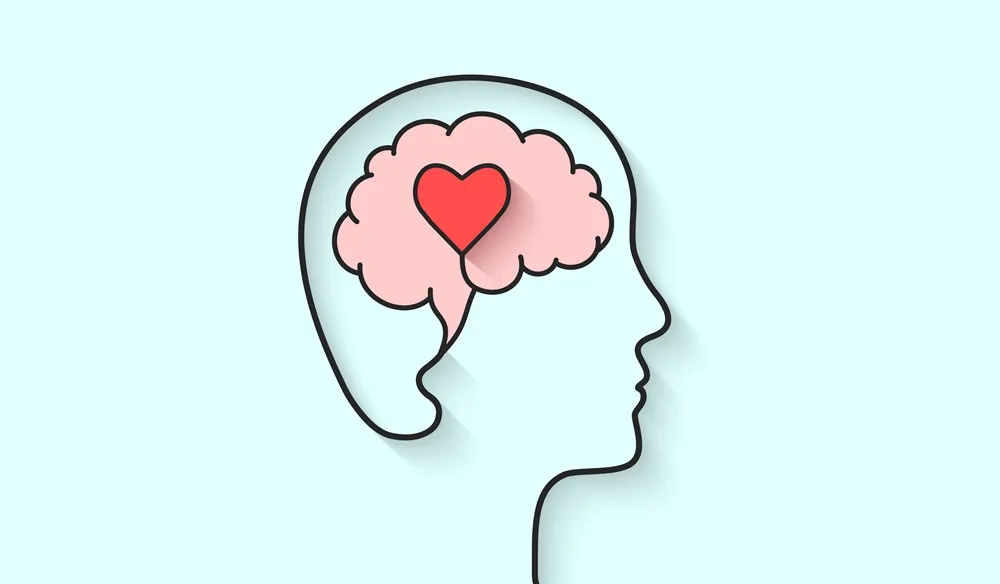
What is Mental Health and Why It Matters
Mental health is an essential part of human life that influences how people think, feel, and behave in daily situations. It also affects how individuals handle stress, relate to others, and make decisions. Despite its importance, mental health is often misunderstood or ignored. Understanding mental health is the first step toward building a healthier and more balanced life.
What is Mental Health?
Mental health refers to a person’s emotional, psychological, and social wellbeing. It is not just the absence of mental illness, but a state in which a person can cope with normal life stress, work productively, and contribute to their community.
Good mental health allows individuals to:
- Manage emotions effectively
- Handle stress in a healthy way
- Maintain positive relationships
- Make rational decisions
- Adapt to changes and challenges
Mental health is influenced by many factors such as life experiences, family background, physical health, environment, and genetics.
Why Mental Health Matters
Mental health is just as important as physical health. When mental health is strong, people are more likely to enjoy life, maintain stable relationships, and perform better in work or school.
Poor mental health, on the other hand, can affect every area of life. It may lead to difficulties in concentration, emotional instability, low energy, and problems in social interactions.
The importance of mental health can be understood in several key areas:
1. Impact on Daily Life
Mental health affects how a person thinks and feels throughout the day. It influences motivation, productivity, and decision-making.
2. Physical Health Connection
Mental and physical health are closely linked. Chronic stress or anxiety can contribute to physical problems such as headaches, sleep issues, and weakened immune function.
3. Relationships
Good mental health helps people build and maintain healthy relationships. Poor mental wellbeing can lead to misunderstandings, isolation, or conflict.
4. Work and Productivity
A healthy mind improves focus, creativity, and efficiency. Mental health challenges can reduce performance and increase burnout.
Common Factors That Affect Mental Health
Several factors can influence mental health, including:
- Stressful life events such as loss or trauma
- Work pressure or financial difficulties
- Lack of social support
- Chronic illness or physical health problems
- Genetic predisposition to mental health conditions
- Unhealthy lifestyle habits such as poor sleep or lack of exercise
Understanding these factors helps in identifying risks early and taking preventive steps.
How to Improve Mental Health
Improving mental health requires consistent effort and healthy habits. Some effective ways include:
- Maintaining a balanced daily routine
- Getting enough sleep regularly
- Engaging in physical activity
- Practicing relaxation techniques such as deep breathing
- Staying connected with supportive people
- Limiting negative media consumption
- Seeking professional help when needed
Small changes in daily life can have a significant impact over time.
When to Seek Help
It is important to seek help if emotional or psychological difficulties start interfering with daily life. Signs may include persistent sadness, excessive worry, withdrawal from social activities, or difficulty functioning normally.
Talking to a mental health professional can provide support, guidance, and treatment options tailored to individual needs.
Yorumlar