.webp)
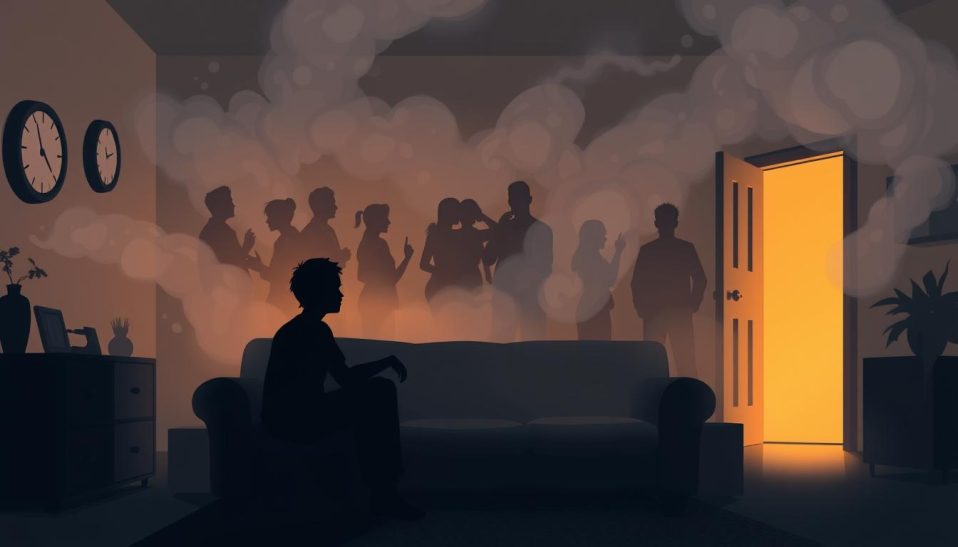
Social Anxiety: Signs and Coping Strategies
Social situations are a normal part of everyday life, but for some people, interacting with others can cause intense fear, worry, or self-consciousness. Social anxiety can make activities such as meeting new people, speaking in groups, attending events, or even having everyday conversations feel extremely difficult.
Understanding the signs of social anxiety is an important first step toward recognizing the problem and finding healthy ways to manage it.
What Is Social Anxiety?
Social anxiety refers to significant fear or anxiety related to social situations in which a person may feel observed, judged, embarrassed, or rejected by others.
Occasional nervousness in social situations is normal. Social anxiety becomes more concerning when the fear is persistent, difficult to control, and interferes with everyday activities or relationships.
When these symptoms are persistent and significantly disruptive, a mental health professional may assess whether they are consistent with Social Anxiety Disorder, a recognized mental health condition.
Common Signs of Social Anxiety
Social anxiety can affect thoughts, emotions, physical sensations, and behavior.
Emotional Signs
Common emotional experiences include:
- Intense fear of being judged
- Worry about embarrassing yourself
- Fear of making mistakes in front of others
- Feeling extremely self-conscious
- Anticipatory anxiety before social events
- Persistent concern about how others perceive you
These feelings may occur even when there is little objective reason to expect negative judgment.
Physical Signs
Anxiety can activate the body's stress response and cause physical symptoms such as:
- Blushing
- Sweating
- Trembling
- Rapid heartbeat
- Muscle tension
- Dry mouth
- Nausea
- Difficulty speaking clearly
The fear of these physical symptoms being noticed by others can sometimes make social anxiety even stronger.
Behavioral Signs
People experiencing social anxiety may gradually change their behavior to avoid uncomfortable situations.
Examples include:
- Avoiding parties or social gatherings
- Avoiding public speaking
- Speaking very quietly
- Avoiding eye contact
- Limiting conversations with unfamiliar people
- Leaving social situations early
- Avoiding activities that involve meeting new people
Although avoidance can provide temporary relief, it may reinforce anxiety over time.
What Causes Social Anxiety?
There is no single cause of social anxiety. Several factors may contribute to its development.
Genetics
A family history of anxiety or related mental health conditions may increase vulnerability.
Personality and Temperament
Some individuals may naturally be more sensitive to social evaluation or unfamiliar situations.
Past Experiences
Bullying, humiliation, rejection, or other negative social experiences may contribute to persistent fears about future interactions.
Environment
Family dynamics, social expectations, academic pressure, and workplace environments can influence anxiety levels.
How Social Anxiety Can Affect Daily Life
Social anxiety can influence many areas of life, including:
- Education
- Career development
- Friendships
- Romantic relationships
- Communication
- Self-confidence
- Participation in social activities
For example, someone may avoid asking questions in class, participating in meetings, attending social events, or applying for opportunities because of fear of judgment.
Over time, this avoidance can limit personal and professional opportunities.
Coping Strategies for Social Anxiety
There are several healthy strategies that may help people manage social anxiety.
1. Start with Small Social Steps
Instead of immediately confronting the most difficult situation, consider starting with manageable interactions. For example, a person who avoids conversations with strangers might begin by saying hello to a neighbor or asking a simple question in a familiar environment.
Gradual progress can make social situations feel more manageable.
2. Challenge Negative Thoughts
Social anxiety often involves assuming that other people are judging you negatively.
When these thoughts appear, ask yourself:
- What evidence supports this thought?
- Is there another possible explanation?
- Am I assuming that I know what others are thinking?
- Would I judge another person as harshly as I judge myself?
Examining thoughts more objectively can help reduce unnecessary fear.
3. Practice Mindful Breathing
Slow, comfortable breathing can help reduce physical tension during stressful situations. Focusing on your breathing can also redirect attention away from anxious thoughts.
The goal is not to force anxiety to disappear but to create a calmer response to the situation.
4. Focus on the Conversation
Social anxiety can cause people to constantly monitor themselves: how they look, how they sound, or whether they are saying the “right” thing.
Try shifting attention toward the other person and the actual conversation. Listening carefully can reduce excessive self-monitoring.
5. Avoid Excessive Reassurance
Constantly asking others whether you performed well or whether someone disliked you can provide temporary relief but may maintain anxiety in the long term.
Learning to tolerate some uncertainty can be an important part of building confidence.
6. Maintain Healthy Lifestyle Habits
Lifestyle habits can support general mental wellbeing.
Helpful practices include:
- Getting consistent sleep
- Exercising regularly
- Eating balanced meals
- Limiting excessive caffeine
- Taking regular breaks
- Maintaining supportive relationships
These habits do not replace professional treatment, but they can complement a broader approach to wellbeing.
Professional Treatment for Social Anxiety
When social anxiety significantly affects daily life, professional treatment can be highly beneficial.
Cognitive Behavioral Therapy (CBT) is one commonly used evidence-based treatment. It can help individuals identify unhelpful thought patterns and gradually change avoidance behaviors.
Depending on the individual situation, a healthcare professional may also discuss medication or other treatment options.
Treatment should be personalized and supervised by an appropriately qualified professional.
When to Seek Professional Support
Consider talking with a mental health professional if social anxiety:
- Continues for a long time
- Makes you avoid important activities
- Interferes with education or work
- Makes maintaining relationships difficult
- Causes significant emotional distress
- Prevents you from pursuing personal goals
Seeking help does not mean that you are weak. Professional support can provide practical tools for understanding and managing anxiety.
Yorumlar