.webp)
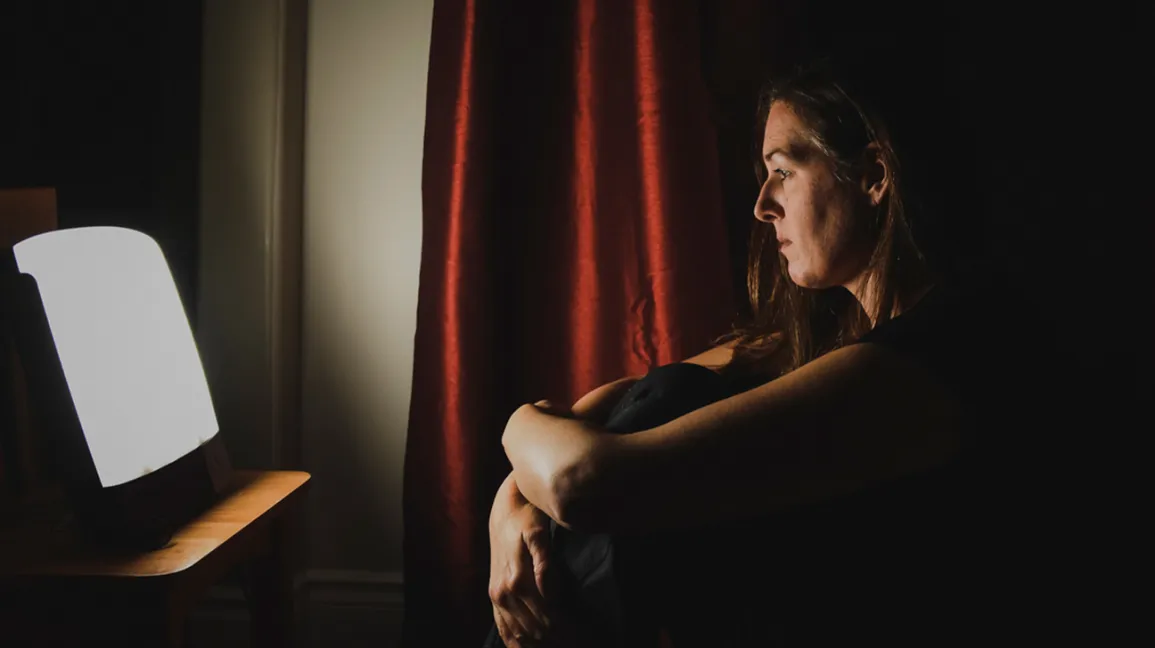
Seasonal Depression (SAD) Explained
Seasonal Depression (SAD) Explained
Seasonal changes can affect more than the weather. For some people, changes in daylight and daily routines are accompanied by persistent sadness, low energy, difficulty concentrating, and a loss of interest in activities they usually enjoy. When these symptoms follow a seasonal pattern and significantly affect everyday life, they may be associated with seasonal affective disorder (SAD).
Seasonal depression is a form of depression in which symptoms typically occur during particular seasons and improve at other times of the year. It most commonly develops during autumn and winter, although some people experience seasonal depressive symptoms during spring or summer.
Understanding seasonal depression can help people recognize its warning signs, explore effective treatment options, and develop practical habits that support their mental health throughout the year.
1. What Is Seasonal Depression (SAD)?
Seasonal affective disorder, commonly known as SAD, is a type of depression characterized by a recurring seasonal pattern. Symptoms generally begin and end around similar times each year.
Winter-pattern SAD is the most widely recognized form. People may notice changes in mood and energy as the days become shorter and natural daylight decreases. Symptoms often improve during spring or summer.
A less common form follows a summer pattern, with depressive symptoms appearing during warmer months and improving when autumn or winter arrives.
Seasonal depression is more than occasionally feeling tired or disliking cold weather. It involves a pattern of depressive symptoms that can affect relationships, work, education, sleep, and other aspects of daily life.
A healthcare professional can assess the timing, duration, severity, and recurrence of symptoms to determine whether they are consistent with SAD or another condition.
2. Common Symptoms of Seasonal Depression
Seasonal depression can affect people differently, and not everyone experiences the same symptoms. However, several patterns are commonly associated with winter- and summer-pattern SAD.
Symptoms of Winter-Pattern SAD
People experiencing winter-pattern seasonal depression may notice:
Persistent sadness, emptiness, or low mood.
Reduced interest in hobbies and social activities.
Low energy and ongoing fatigue.
Sleeping longer than usual or struggling to wake up.
Increased appetite, particularly for carbohydrate-rich foods.
Weight gain in some cases.
Difficulty concentrating or making decisions.
Withdrawing from friends and family.
Feeling hopeless, worthless, or unusually guilty.
For example, someone who usually enjoys meeting friends after work may begin declining invitations every week, struggle to get out of bed in the morning, and lose interest in activities that previously felt rewarding.
These changes may gradually develop over several weeks rather than appearing suddenly.
Symptoms of Summer-Pattern SAD
Summer-pattern SAD may involve a different combination of symptoms, including:
Insomnia or difficulty sleeping.
Reduced appetite and possible weight loss.
Restlessness or agitation.
Increased anxiety.
Irritability.
Persistent low mood or loss of interest.
Because summer-pattern symptoms can differ from the more familiar winter pattern, people may not immediately recognize that their difficulties could be related to seasonal depression.
If these symptoms are persistent or interfere with everyday functioning, professional assessment can help clarify their cause.
3. What Causes Seasonal Depression?
The exact causes of seasonal affective disorder are not fully understood. Research suggests that seasonal changes in daylight may influence several biological processes involved in sleep, mood, and daily rhythms.
Changes in Daylight Exposure
Shorter days during autumn and winter can reduce exposure to natural daylight. For some people, this may affect mood, alertness, and the body's internal clock.
Reduced daylight is considered an important factor associated with winter-pattern SAD, although it does not explain every case.
Circadian Rhythm Disruption
The circadian rhythm is the body's internal timing system. It helps regulate sleep and wakefulness, hormone release, body temperature, and other daily processes.
Changes in daylight can influence this system. In susceptible individuals, seasonal shifts in light exposure may contribute to disruptions in sleep timing and mood.
Melatonin and Serotonin
Melatonin is a hormone involved in regulating sleep, while serotonin is a neurotransmitter associated with mood and other functions.
Light exposure influences biological systems involved in both processes. Researchers have investigated how seasonal changes in light may affect these systems and contribute to depressive symptoms.
However, SAD should not be reduced to a simple chemical imbalance. Its development likely involves multiple biological, psychological, and environmental factors.
Genetic and Individual Differences
Some people may be more vulnerable to seasonal changes because of genetic influences, personal history, or other mental health factors.
Not everyone experiences depression when daylight decreases. Individual differences help explain why seasonal changes affect some people significantly while others notice little change in mood.
4. Who Is at Risk of Seasonal Depression?
Seasonal depression can affect people of different ages and backgrounds, but certain factors may increase the likelihood of experiencing it.
Potential risk factors include:
A history of depression: People who have previously experienced depressive episodes may be more vulnerable to seasonal symptoms.
Family history: Having a close relative with SAD or another mood disorder may increase risk.
Geographic location: People living at higher latitudes may experience greater seasonal variation in daylight, which can be relevant to winter-pattern SAD.
Age: SAD is often first recognized in young adulthood, although it can occur at other ages.
Existing mental health difficulties: Other mental health conditions may overlap with or complicate seasonal symptoms.
These factors do not mean someone will necessarily develop SAD. They simply provide context for understanding who may be more susceptible.
Seasonal depression can also occur in people who have no known family history or previous diagnosis of depression.
5. Seasonal Depression vs. Winter Blues
Many people feel less energetic during winter, particularly when the weather is cold, daylight is limited, and outdoor activities become less convenient. This experience is sometimes called the winter blues.
However, the winter blues and seasonal affective disorder are not necessarily the same.
Feature | Winter Blues | Seasonal Depression (SAD) |
|---|---|---|
Mood changes | Usually mild | Can be more persistent and severe |
Daily functioning | Generally remains manageable | May significantly interfere with everyday life |
Interest in activities | Often largely maintained | May be substantially reduced |
Sleep and energy | Minor or temporary changes | More noticeable and persistent changes may occur |
Professional care | May not be necessary | Assessment and treatment may be needed |
These distinctions are general rather than definitive. Mild symptoms can still deserve attention, and symptom severity cannot be determined by a table alone.
If low mood, fatigue, or loss of interest continues for weeks or makes everyday responsibilities difficult, consider speaking with a healthcare professional.
6. How Is Seasonal Depression Diagnosed?
There is no single symptom or laboratory test that independently confirms seasonal affective disorder. Diagnosis generally involves a clinical assessment of symptoms and their pattern over time.
A healthcare professional may ask about:
When the symptoms begin and improve.
Whether similar symptoms have occurred during previous seasons.
How mood changes affect work, relationships, and daily activities.
Sleep, appetite, energy, and concentration.
Previous episodes of depression or other mental health conditions.
Current medications and relevant physical health concerns.
The professional may also consider other explanations for fatigue, sleep changes, or low mood, including medical conditions, medication effects, and other mental health disorders.
A recurring seasonal pattern is important, but the timing alone is not enough to establish a diagnosis.
If you suspect seasonal depression, keeping a brief record of your mood, sleep, energy, and symptom changes throughout the year may help you describe your experiences during an appointment.
7. Treatment Options for Seasonal Depression
Seasonal depression is treatable. The most appropriate approach depends on symptom severity, seasonal pattern, personal circumstances, and medical history.
Common treatment options include light therapy, psychotherapy, medication, and supportive lifestyle changes.
Light Therapy
Light therapy is a commonly used treatment for winter-pattern SAD. It involves sitting near a specially designed bright-light device for a prescribed period, often in the morning.
A light therapy device used for SAD is different from an ordinary household lamp. Appropriate devices are designed to deliver a specific intensity of light while reducing ultraviolet exposure.
Light therapy may help regulate biological rhythms and improve symptoms for some people.
However, it is not suitable for everyone. People with certain eye conditions, those taking medications that increase light sensitivity, and people with a history of bipolar disorder should seek medical guidance before starting treatment. Light therapy can sometimes trigger agitation or mood elevation in susceptible individuals.
A healthcare professional can help determine whether it is appropriate and explain how to use it safely.
Psychotherapy
Psychotherapy can help people understand and manage the thoughts, emotions, and behaviors associated with seasonal depression.
Cognitive behavioral therapy adapted for SAD, often called CBT-SAD, is a specialized form of cognitive behavioral therapy that addresses seasonal patterns.
It may help people identify unhelpful thinking, establish more consistent routines, plan enjoyable activities, and respond more effectively to seasonal challenges.
Therapy can also be useful for addressing stress, social withdrawal, and difficulties that accompany depressive symptoms.
Medication
Antidepressant medication may be appropriate for some people, particularly when symptoms are moderate to severe or have a recurring pattern.
A qualified prescriber can discuss potential benefits, side effects, interactions, and other considerations. Medication choices should be individualized rather than based solely on the season in which symptoms occur.
Do not start, stop, or change prescribed medication without consulting the healthcare professional responsible for your care.
Combining Treatments
Some people benefit from a combination of approaches, such as psychotherapy and medication, or professional treatment alongside light therapy and supportive daily habits.
Treatment should be reviewed over time to determine whether symptoms are improving and whether adjustments are needed.
8. Lifestyle Changes That May Help Manage Seasonal Depression
Everyday habits can complement professional treatment and support general mental wellbeing. They are not guaranteed to prevent or eliminate SAD, but manageable routines may make daily life easier during difficult seasons.
Spend Time Outdoors During Daylight
If possible, take a walk or spend time outside during daylight hours. Morning outdoor activity may help provide a consistent light cue for your body's internal clock.
Even a short walk during a lunch break can create an opportunity to move, get outside, and break up a long period indoors.
Natural daylight is not a substitute for prescribed light therapy, and the amount of light available varies by season and weather.
Maintain a Regular Sleep Schedule
Try to go to bed and wake up at reasonably consistent times. A predictable routine can support sleep quality and daily structure.
If you experience excessive sleepiness or insomnia, monitor the pattern and discuss persistent difficulties with a healthcare professional.
Stay Physically Active
Regular physical activity can support general health, sleep, and mood. Activities such as walking, swimming, cycling, or gentle stretching may be useful.
Start with an achievable goal rather than expecting yourself to follow an intensive exercise program when your energy is low.
Keep Social Connections
Seasonal depression can encourage people to withdraw from friends and family. Maintaining contact with supportive people may help reduce isolation.
You could arrange a short phone call, invite someone for a quiet meal, or plan a low-pressure activity that does not require a lot of energy.
Plan Enjoyable Activities
When motivation decreases, it may become harder to initiate activities that previously felt rewarding.
Planning small activities in advance can help create structure. Examples include reading a book, preparing a favorite meal, visiting a museum, or working on a hobby.
Choose activities that feel realistic for your energy level rather than treating them as obligations.
Eat Regular, Balanced Meals
A varied diet and regular meals can support physical health and energy levels. Include a range of vegetables, fruits, whole grains, and protein sources where possible.
There is no specific food or supplement proven to cure SAD. If you are considering supplements, particularly high-dose vitamin D or other products marketed for mood, discuss their suitability with a healthcare professional.
9. Can Seasonal Depression Be Prevented?
Seasonal depression cannot always be prevented, but planning ahead may help some people manage recurring symptoms.
If you have experienced SAD in previous years, consider discussing a prevention plan with a healthcare professional before your usual symptoms begin.
Depending on your history, a plan may include:
Monitoring early changes in mood, sleep, and energy.
Establishing consistent daily routines before symptoms become severe.
Discussing whether light therapy is appropriate.
Considering preventive psychotherapy.
Reviewing medication options with a qualified prescriber when indicated.
Arranging regular check-ins with a healthcare professional.
For example, if you consistently notice low mood and reduced motivation beginning in late autumn, tracking symptoms from early autumn may help you recognize changes sooner.
Prevention strategies should be tailored to your individual history. A routine that helps one person may not be sufficient for another.
10. When Should You Seek Professional Help?
It is important to seek support when seasonal changes are accompanied by persistent or distressing emotional symptoms.
Consider speaking with a healthcare professional if you experience:
Low mood that persists for much of the day.
A noticeable loss of interest in activities.
Ongoing fatigue or significant sleep changes.
Difficulty concentrating or completing daily responsibilities.
Changes in appetite or weight.
Withdrawal from friends and family.
Feelings of hopelessness, worthlessness, or excessive guilt.
You do not need to wait until symptoms become severe. Early assessment can help identify appropriate support and clarify whether seasonal depression, another mental health condition, or a physical health issue may be involved.
If you experience thoughts of suicide or self-harm, take them seriously. If you are in immediate danger or cannot keep yourself safe, contact emergency services. In Türkiye, call 112.
Frequently Asked Questions
Is seasonal depression a real mental health condition?
Yes. Seasonal affective disorder is a recognized form of depression characterized by a recurring seasonal pattern. It can cause significant changes in mood, sleep, energy, appetite, and daily functioning.
What months does seasonal depression usually occur?
Winter-pattern SAD often begins in autumn or early winter and improves during spring or summer. The exact timing varies by person and location. Summer-pattern SAD follows a different seasonal pattern.
Can seasonal depression occur during summer?
Yes. Although less common, summer-pattern SAD can involve depressive symptoms during spring or summer. Symptoms may include insomnia, reduced appetite, anxiety, and agitation.
Does vitamin D help with seasonal depression?
Vitamin D is important for general health, but supplements are not a proven stand-alone treatment for SAD. A healthcare professional can help determine whether testing or supplementation is appropriate based on your health and individual risk factors.
Is light therapy effective for seasonal depression?
Light therapy is an established treatment option for winter-pattern SAD and can help some people. The appropriate device, timing, and duration matter, and medical advice is particularly important for people with certain eye conditions or a history of bipolar disorder.
How long does seasonal depression last?
Symptoms often follow a recurring seasonal pattern, beginning and improving around similar times each year. However, duration and severity vary. Professional treatment may help manage symptoms and improve daily functioning.
Is seasonal depression the same as feeling sad in winter?
No. Feeling less energetic or cheerful during winter does not automatically indicate SAD. Seasonal depression involves a more significant pattern of depressive symptoms that can interfere with everyday life.
Yorumlar