.webp)
Myths About Mental Illness
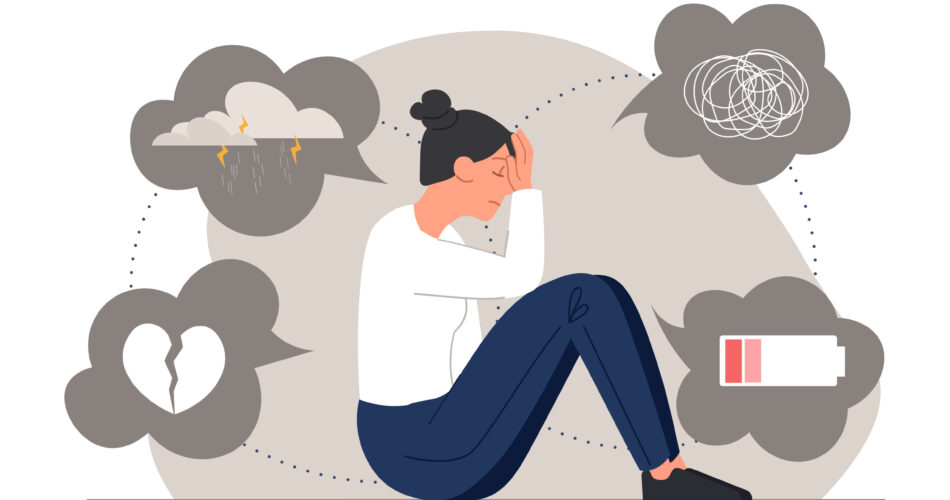
Mental illness is widely misunderstood due to misinformation, cultural beliefs, and lack of education. These misunderstandings often create stigma, prevent people from seeking help, and lead to harmful stereotypes. In reality, mental health conditions are medical issues that require understanding, support, and appropriate care.
This article explains some of the most common myths about mental illness and the facts that correct them.
What is Mental Illness?
Mental illness refers to a wide range of conditions that affect mood, thinking, behavior, and emotional regulation. These conditions can vary in severity and may include anxiety disorders, depression, bipolar disorder, and others.
Mental illnesses are influenced by biological, psychological, and environmental factors and are not caused by weakness or lack of willpower.
Myth 1: Mental Illness is Rare
One of the most common misconceptions is that mental illness is uncommon. In reality, mental health conditions are very common and affect millions of people worldwide at different stages of life.
Mental illness can impact anyone regardless of age, gender, education level, or social status.
Myth 2: People with Mental Illness Are Weak
A harmful belief is that mental illness is a sign of weakness. This is incorrect. Mental health conditions are not related to personal strength or character.
They are medical conditions that can result from a combination of genetics, brain chemistry, trauma, and life circumstances.
Myth 3: Mental Illness is Not a Real Medical Condition
Some people believe that mental illness is “not real” or “just in the mind.” However, mental health conditions are recognized medical disorders that affect brain function and behavior.
Just like physical illnesses, they require proper diagnosis and treatment.
Myth 4: People with Mental Illness Cannot Work or Live Normal Lives
Many individuals with mental health conditions live productive, successful lives. With proper treatment and support, people can manage symptoms and continue their education, careers, and relationships.
Mental illness does not define a person’s abilities or future.
Myth 5: Therapy is Only for Severe Problems
Another common myth is that therapy is only needed in extreme cases. In reality, therapy can benefit anyone dealing with stress, emotional challenges, or life transitions.
Early support often prevents conditions from becoming more serious.
Myth 6: Medication Changes Personality
Some people believe that mental health medication completely changes a person’s personality. In reality, medication is designed to help regulate symptoms and improve daily functioning, not change identity.
Treatment is carefully adjusted by healthcare professionals based on individual needs.
Myth 7: Talking About Mental Illness Makes It Worse
Avoiding conversations about mental health often increases stigma and isolation. Talking openly about mental illness can actually encourage understanding, reduce fear, and promote early help-seeking behavior.
Why These Myths Are Harmful
These misconceptions can have serious consequences, including:
- Delaying treatment
- Increasing stigma and discrimination
- Preventing open communication
- Causing unnecessary fear and isolation
Correcting these myths is essential for building a healthier and more informed society.
How to Challenge Mental Health Myths
To reduce misinformation, it is important to:
- Educate yourself from reliable sources
- Listen to mental health professionals
- Speak openly and respectfully about mental health
- Avoid spreading stereotypes or unverified information
Yorumlar