.webp)
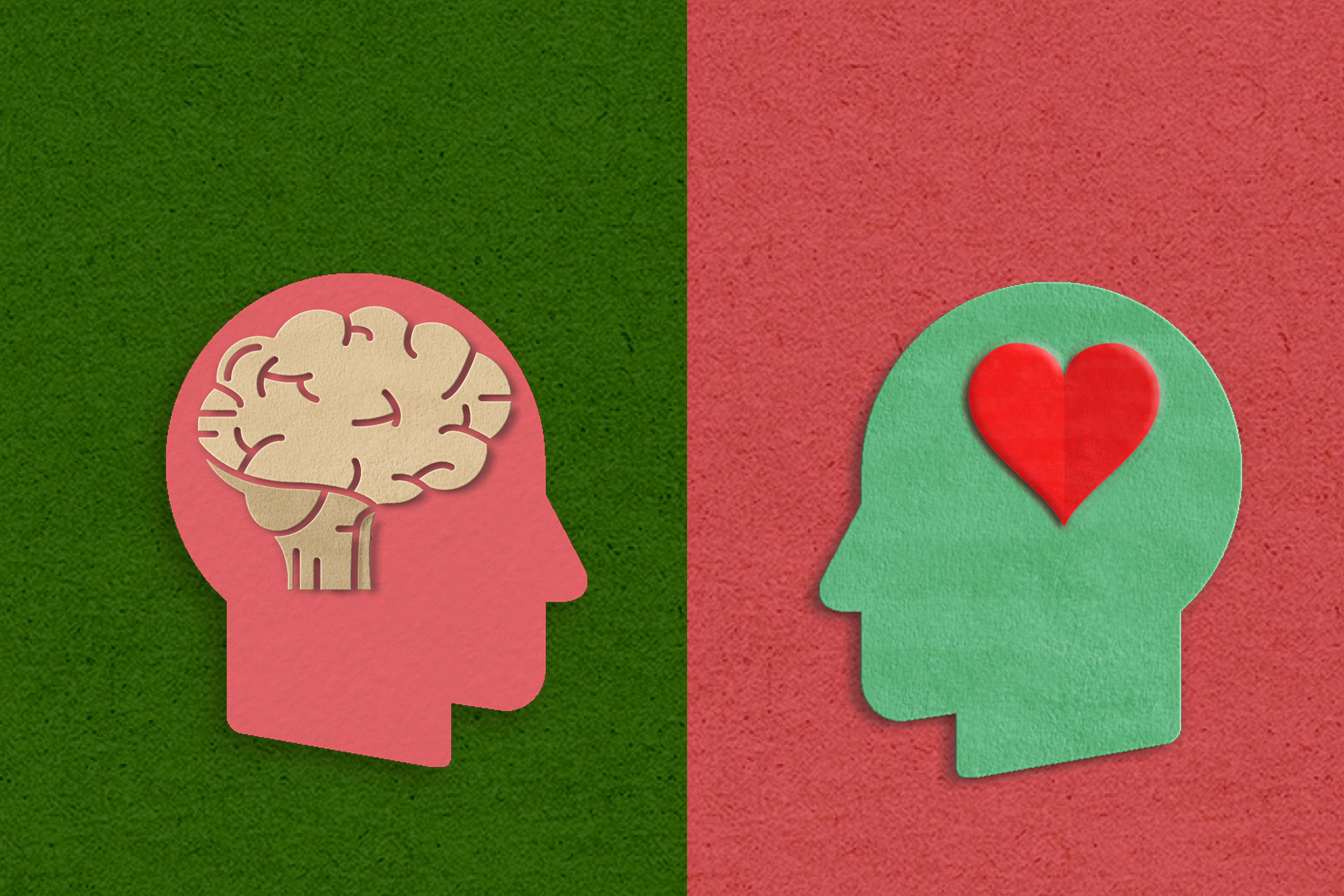
Mental Health vs Emotional Health
Mental health and emotional health are often used interchangeably, but they are not exactly the same. While they are closely connected and influence each other, each refers to a different aspect of human wellbeing. Understanding the difference between mental health and emotional health helps improve self-awareness and supports a more balanced and healthy life.
What is Mental Health?
Mental health refers to a person’s overall psychological functioning. It includes how individuals think, process information, make decisions, and handle stress. Mental health is influenced by biological, psychological, and environmental factors.
Good mental health allows a person to:
- Think clearly and logically
- Handle daily stress effectively
- Maintain focus and concentration
- Make healthy decisions
- Function well in daily life
Mental health is often related to clinical conditions such as anxiety disorders, depression, or other psychological conditions.
What is Emotional Health?
Emotional health refers to a person’s ability to understand, manage, and express emotions in a healthy way. It focuses more on emotional awareness and regulation rather than cognitive functioning.
A person with good emotional health can:
- Recognize and understand their emotions
- Express feelings in appropriate ways
- Manage stress without being overwhelmed
- Build empathy and emotional awareness
- Maintain emotional balance in difficult situations
Emotional health is about how we feel and how we respond to those feelings.
Key Differences Between Mental Health and Emotional Health
1. Focus Area
Mental health focuses on thinking patterns, cognition, and psychological processes. Emotional health focuses on feelings, emotional responses, and regulation.
2. Function vs Feeling
Mental health is more related to how the brain functions in daily life, such as decision-making and problem-solving. Emotional health is more about how a person experiences and manages emotions.
3. Clinical vs Personal Awareness
Mental health is often associated with clinical conditions diagnosed by professionals. Emotional health is more about self-awareness and personal development.
4. Overlap Between the Two
Although different, mental health and emotional health are deeply connected. Poor emotional health can affect mental health, and mental health challenges can also impact emotional stability.
For example:
- Chronic stress (mental health issue) can lead to emotional exhaustion
- Difficulty managing emotions can increase anxiety or depression symptoms
Why Both Are Important
Both mental and emotional health are essential for overall wellbeing. When balanced, they support:
- Healthy relationships
- Better stress management
- Improved decision-making
- Higher life satisfaction
- Strong resilience in difficult times
Ignoring either aspect can lead to long-term difficulties in personal and professional life.
How to Improve Mental and Emotional Health
Improve Mental Health:
- Maintain a consistent sleep schedule
- Engage in regular physical activity
- Reduce chronic stress
- Seek professional help when needed
Improve Emotional Health:
- Practice emotional awareness
- Talk about feelings openly
- Use journaling or reflection techniques
- Develop healthy coping strategies
Combining both approaches creates a stronger foundation for wellbeing.
Yorumlar