.webp)
kates.buzz / Fashion Trends, Beauty Tips, Skincare, and Modern Lifestyle Inspiration
Discover Your Style with Fashion, Beauty, and Modern Lifestyle Inspiration
Fashion and beauty are more than changing trends. They are ways to express individuality, explore creativity, and develop confidence in everyday life. From choosing an outfit for a busy workday to creating a skincare routine that suits your needs, small decisions can influence how comfortable and confident you feel.
Modern style is also becoming increasingly personal. Some people prefer minimalist wardrobes and neutral colors, while others enjoy bold accessories, statement makeup, and experimental combinations. There is no single definition of good style. The most effective approach is to discover what works for your personality, lifestyle, preferences, and budget.
kates.buzz explores the worlds of fashion, beauty, skincare, makeup, wellness, and contemporary living through practical ideas and accessible articles. Whether you are looking for seasonal outfit inspiration, a simpler beauty routine, or ways to make your everyday style more polished, discovering new ideas can help you build a look that feels authentic.
Fashion Trends That Shape Modern Style
Fashion trends reflect changes in culture, design, technology, and personal expression. Each season introduces new colors, silhouettes, fabrics, and accessories, but not every trend needs to become part of your wardrobe.
The key is learning how to adapt current trends to your existing clothes and personal preferences.
For example, if oversized blazers are popular, you might combine one with straight-leg jeans, a simple T-shirt, and loafers. This creates a contemporary outfit without requiring an entirely new wardrobe. If earthy colors are trending, adding a brown handbag, beige trousers, or an olive-green jacket can update your look with minimal effort.
Fashion becomes more practical when trends are treated as inspiration rather than rules. Instead of purchasing every popular item, consider whether a piece complements your existing wardrobe, suits your daily activities, and offers enough versatility to justify the expense.
Building a Versatile Wardrobe
A versatile wardrobe contains pieces that can be combined in several different ways. It reduces the time spent choosing outfits and makes shopping more intentional.
Useful wardrobe essentials may include:
A well-fitting pair of jeans suitable for casual and smart-casual outfits.
Neutral T-shirts and tops that work with different layers.
A tailored blazer for professional settings and evening occasions.
Comfortable sneakers for everyday activities.
Classic trousers that can be styled with shirts, knitwear, or jackets.
A practical outerwear piece suited to your local climate.
Accessories that add personality without overwhelming an outfit.
These items are not universal requirements. Someone who prefers colorful streetwear may choose different essentials from someone who favors classic tailoring. The goal is to create a wardrobe that reflects how you actually live.
Seasonal Outfit Ideas for Every Occasion
Changing weather offers an opportunity to experiment with layering, colors, textures, and accessories. However, practical comfort should remain part of every outfit decision.
Spring Style
Spring outfits often benefit from lightweight layers. A cotton shirt, relaxed trousers, and a light jacket can work well when temperatures change throughout the day. Floral patterns, pastel shades, and lighter fabrics can also introduce a seasonal feel.
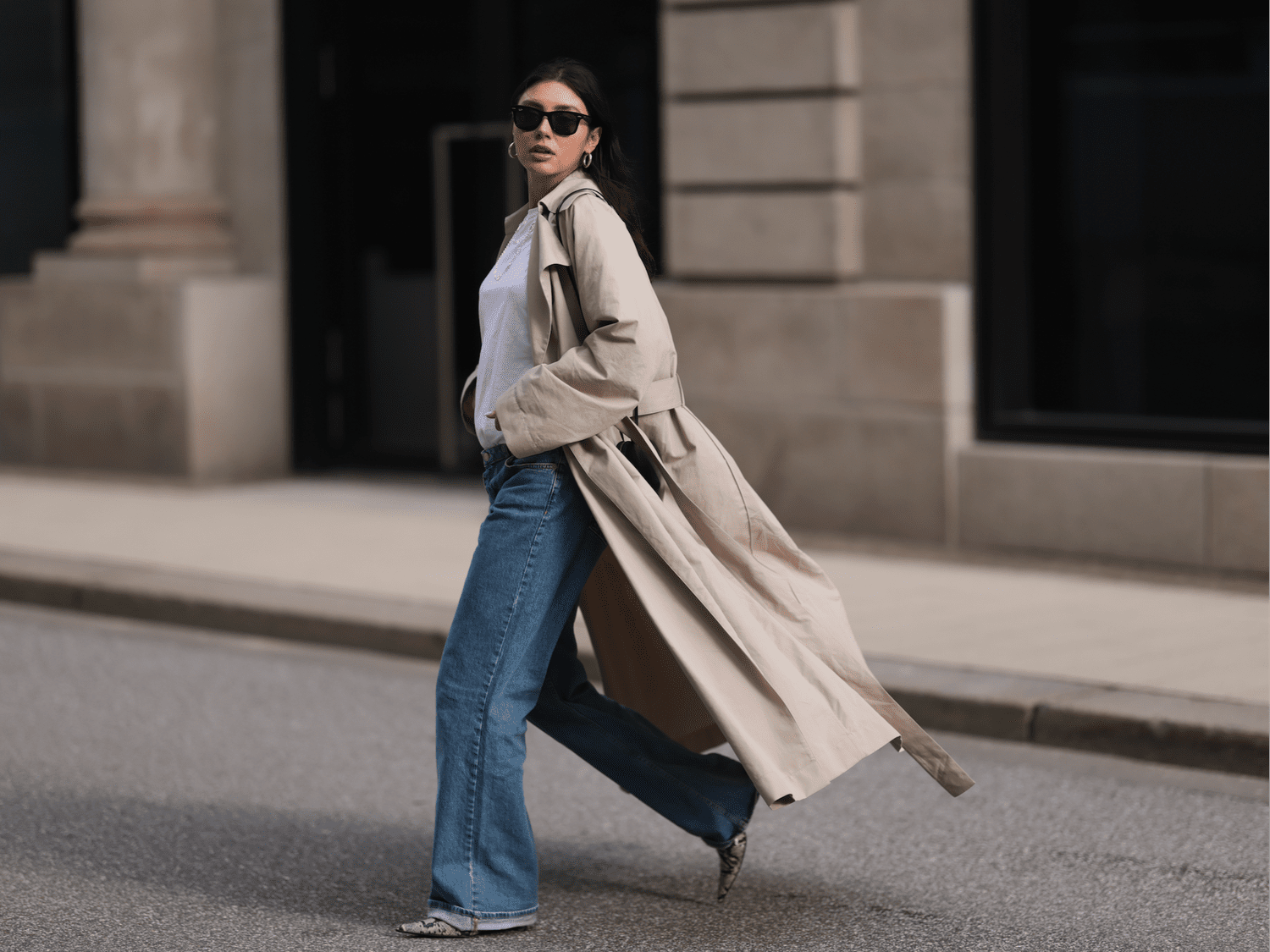
A simple combination such as cream trousers, a blue shirt, white sneakers, and a lightweight trench coat creates a polished look without feeling overly formal.
Summer Fashion
Summer dressing focuses on breathable fabrics, comfortable silhouettes, and lighter layers. Linen shirts, cotton dresses, relaxed shorts, and lightweight trousers can be useful choices in warm weather.
Accessories such as sunglasses, woven bags, and comfortable sandals can complete an outfit. Choosing clothing that allows airflow and protects the skin from excessive sun exposure is also important.
Autumn and Winter Looks
Cooler seasons make layering especially useful. Knitwear, coats, scarves, boots, and structured jackets can add warmth while creating visual interest.
For example, dark jeans, a cream sweater, a long wool coat, and leather-style ankle boots create a coordinated autumn outfit. Different textures can make neutral combinations more interesting without relying on bold patterns.
Seasonal fashion works best when it balances appearance, comfort, and practicality.
Skincare Tips for a Healthy-Looking Complexion
Skincare is an important part of many beauty routines, but effective care does not need to involve dozens of products. A consistent routine built around individual skin needs is often more practical than frequently switching between complicated treatments.
A basic skincare routine generally focuses on cleansing, moisturizing, and sun protection.
Cleansing: A gentle cleanser can help remove sweat, excess oil, sunscreen, and daily impurities. The right product depends on skin type and individual tolerance.
Moisturizing: Moisturizers help support the skin barrier and reduce moisture loss. Lightweight formulations may appeal to people with oily skin, while richer creams may be more comfortable for dry skin.
Sun protection: Broad-spectrum sunscreen with SPF 30 or higher is a useful daily option for exposed skin. Reapplication is important when spending extended periods outdoors, swimming, or sweating.
Consistency matters more than the number of products used. Introducing several active ingredients at once can make it difficult to identify irritation or determine which products are helpful.
Understanding Different Skin Types
Skin can be broadly described as oily, dry, combination, or sensitive, although individual skin needs are more complex than these categories suggest.
Oily skin may benefit from lightweight, non-comedogenic products. Dry skin often responds well to moisturizing ingredients that support the skin barrier. Combination skin may require different approaches for different areas of the face, while sensitive skin may benefit from fragrance-free products and gradual product introduction.
Skin conditions such as persistent acne, eczema, rosacea, or unexplained irritation may require professional assessment. Beauty content can provide general information, but it should not replace personalized medical advice.
Makeup Inspiration for Everyday Confidence
Makeup offers an opportunity to experiment with color, texture, and personal expression. Some people enjoy elaborate looks, while others prefer a minimal routine that takes only a few minutes.
For everyday makeup, a lightweight base, concealer where needed, mascara, and a natural lip color can create a fresh appearance. A little blush can add warmth, while a neutral eyeshadow can define the eyes without making the look feel too formal.
For evening occasions, stronger eyeliner, deeper lip colors, or more defined eyes can create a different effect using many of the same basic products.
Choosing Makeup Colors
Color choices can be guided by personal preference, clothing, occasion, and the overall effect you want to create.
Warm brown eyeshadows, peach blush, and terracotta lip colors can create a coordinated warm-toned look. Rose, mauve, and cooler pink shades offer another direction. These are styling options rather than strict rules, and experimenting with different colors is often the best way to discover what you enjoy.
Product texture also matters. Cream products may provide a dewy finish, while powders can help reduce shine. The most suitable choice depends on skin type, climate, application preferences, and desired coverage.
Good makeup is not about following every trend. It is about using products in ways that help you achieve the look you want.
Haircare and Everyday Beauty Routines
Healthy-looking hair begins with understanding its texture, condition, and styling needs. Straight, wavy, curly, and coily hair can respond differently to products and techniques, so a routine that works for one person may not be suitable for another.
Gentle cleansing, suitable conditioning, and careful handling can help reduce unnecessary damage. Excessive heat styling, aggressive brushing, and tight hairstyles may contribute to breakage for some people.
If you regularly use heat tools, a suitable heat protectant and moderate temperature settings can help reduce damage. Curly or textured hair may benefit from products designed to improve moisture retention and reduce friction.
A practical haircare routine does not need to be complicated. Identifying your main concern—such as dryness, frizz, breakage, or scalp discomfort—can help you choose products more intentionally.
Persistent scalp irritation, sudden hair loss, or significant changes in hair growth may warrant professional evaluation rather than relying exclusively on cosmetic products.
Beauty Habits That Make Daily Life Easier
Beauty routines are easier to maintain when they fit naturally into your schedule. A simple morning routine might include cleansing, moisturizing, sunscreen, and a few makeup products if desired. An evening routine could focus on removing makeup and sunscreen, cleansing gently, and applying moisturizer.
Preparing a few essentials the night before can also save time. Keeping frequently used products together, cleaning makeup brushes regularly, and checking product expiration guidance can make routines more organized.
Another useful habit is avoiding unnecessary product purchases. Social media can create the impression that every new serum, foundation, or styling tool is essential. In reality, many people can meet their everyday needs with a relatively small collection of products.
The purpose of a beauty routine should be to support personal preferences and comfort, not create pressure to achieve an unrealistic appearance.
Lifestyle Inspiration for a More Balanced Life
Personal style is only one part of everyday wellbeing. Sleep, movement, social connections, home organization, and leisure activities can also influence how people feel.
A balanced lifestyle does not require following a perfect schedule. Small, realistic habits are often easier to maintain than dramatic changes.
For example, preparing clothes for the following morning can reduce decision-making during a busy day. Taking a short walk, spending time on a favorite hobby, or organizing one small area of the home can provide a sense of structure without creating additional pressure.
Digital habits are also worth considering. Constant exposure to idealized images of beauty, homes, and lifestyles can encourage unrealistic comparisons. Following creators who share diverse experiences and practical advice may create a more positive online environment.
The most useful lifestyle ideas are those that make everyday life more manageable while leaving room for personal enjoyment.
Wellness and the Connection Between Appearance and Confidence
Wellness is a broad concept that includes physical health, emotional wellbeing, rest, social relationships, and daily habits. Fashion and beauty can contribute to self-expression, but they should not become measures of personal worth.
Wearing an outfit you enjoy or finding a skincare routine that feels comfortable may help you feel more prepared for the day. However, confidence also develops through skills, meaningful relationships, personal achievements, and accepting that appearance naturally changes over time.
It is helpful to approach wellness without unrealistic promises. No single beauty product, clothing style, or morning routine can guarantee happiness or confidence.
Instead, focus on habits that support your individual needs. Allow yourself to enjoy fashion and beauty without feeling obligated to meet every new standard promoted online.
Sustainable Fashion and Smarter Shopping
As awareness of clothing waste and overconsumption grows, many fashion enthusiasts are exploring more thoughtful shopping habits.
Sustainable style can begin with simple decisions, such as repairing clothes, purchasing secondhand items, choosing durable materials, or wearing existing pieces in new combinations.
Before buying something, consider whether it fits properly, whether it works with your current wardrobe, and how frequently you are likely to wear it. Cost per wear can be a useful way to compare purchases: an item worn regularly over several years may offer better value than an inexpensive piece used only once.
It is also worth checking garment care instructions. Washing clothes according to their fabric requirements, avoiding unnecessary high-temperature washing, and storing items properly can help extend their useful life.
Sustainable shopping does not require perfection or a particular budget. The goal is to make more considered choices whenever possible.
Finding Your Personal Style
Personal style develops through experimentation. It may change as your lifestyle, interests, work environment, or preferences evolve.
A useful starting point is to identify outfits you genuinely enjoy wearing. Notice recurring elements such as silhouettes, colors, fabrics, and accessories. You might discover that you prefer structured jackets, relaxed trousers, minimal jewelry, or expressive prints.
Creating a collection of outfit references can help identify patterns, but the purpose should be inspiration rather than imitation. An outfit that looks appealing on someone else may need adjustments to suit your comfort, body proportions, climate, and daily activities.
It can also help to experiment with one change at a time. Try a new color combination, different accessories, or an unfamiliar silhouette before making major wardrobe purchases.
Personal style is most effective when it reflects the individual wearing it.
Discover Fashion, Beauty, and Lifestyle Ideas With kates.buzz
Fashion, skincare, makeup, and lifestyle habits offer countless opportunities to explore personal preferences and develop new routines. The challenge is separating useful ideas from unnecessary trends, unrealistic expectations, and advice that does not suit your individual needs.
kates.buzz brings these topics together through content about contemporary fashion, practical beauty routines, skincare basics, makeup techniques, seasonal outfits, and everyday lifestyle inspiration.
Whether you want to create a versatile wardrobe, simplify your morning routine, experiment with makeup colors, or discover more thoughtful shopping habits, useful information can help you make choices that feel both practical and personal.
The most meaningful approach to style is not about purchasing every trending product or following every popular look. It is about understanding your preferences, choosing what works for your lifestyle, and enjoying the process of expressing yourself.
With accessible articles and fresh ideas, kates.buzz aims to inspire readers to explore fashion and beauty with confidence, curiosity, and a balanced perspective.
Yorumlar