.webp)
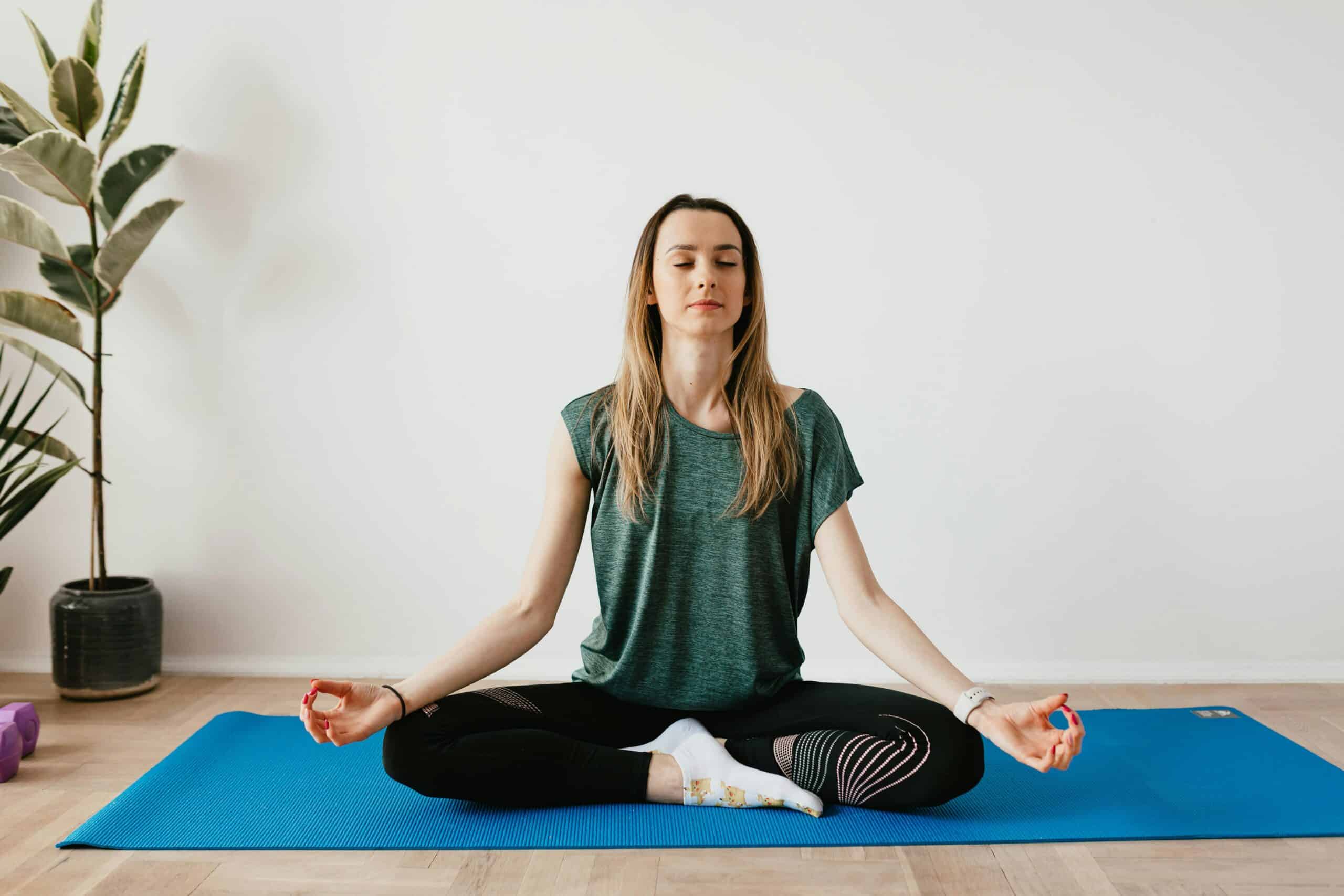
How to Calm Anxiety Quickly
Anxiety can arise suddenly, making it difficult to think clearly, focus, or feel in control. While occasional anxiety is a normal response to stress, intense feelings of worry or nervousness can become overwhelming. Fortunately, there are several simple techniques that may help reduce anxiety in the moment and promote a greater sense of calm.
This article explains practical, evidence-based strategies that can help calm anxiety quickly while supporting long-term mental wellbeing.
Why Anxiety Feels So Intense
When anxiety occurs, the body's natural stress response is activated. This response prepares the body to react to perceived danger by increasing heart rate, muscle tension, and alertness. Although this reaction can be helpful in genuine emergencies, it may also occur during everyday situations that are not physically dangerous.
Understanding this response can make anxiety feel less frightening and help you focus on healthy coping strategies.
Practice Slow Deep Breathing
One of the fastest ways to reduce anxiety is to slow your breathing. Deep breathing helps activate the body's relaxation response and can reduce physical symptoms such as rapid heartbeat and muscle tension.
A simple breathing exercise includes:
- Inhale slowly through your nose for four seconds.
- Hold your breath for two seconds.
- Exhale gently through your mouth for six seconds.
- Repeat for several minutes while focusing on your breathing.
Keeping your attention on each breath may help shift your focus away from anxious thoughts.
Try a Grounding Technique
Grounding techniques help bring your attention back to the present moment instead of focusing on anxious thoughts about the future.
A popular grounding exercise involves identifying:
- Five things you can see
- Four things you can touch
- Three things you can hear
- Two things you can smell
- One thing you can taste
This method encourages mindfulness and helps reduce feelings of overwhelm.
Relax Your Muscles
Anxiety often causes muscles to become tense without you realizing it. Gradually relaxing different muscle groups may help reduce physical discomfort.
Start with your shoulders, neck, arms, hands, legs, and feet. Tighten each muscle group for a few seconds and then slowly release the tension.
Focus on the Present Moment
Anxiety frequently involves worrying about future events or situations that have not happened. Practicing mindfulness encourages you to focus on what is happening right now.
You can do this by paying attention to your breathing, observing your surroundings, or quietly noticing your thoughts without judging them.
Take a Short Walk
Light physical activity can help reduce anxious feelings by releasing natural chemicals that support emotional wellbeing.
Even a ten-minute walk outdoors may help:
- Reduce muscle tension
- Improve concentration
- Lower stress levels
- Create a sense of calm
Spending time in nature may provide additional mental health benefits for many people.
Challenge Anxious Thoughts
Anxiety can make situations seem more dangerous than they actually are. When anxious thoughts appear, try asking yourself:
- Is there clear evidence supporting this thought?
- Am I assuming the worst-case scenario?
- Is there another possible explanation?
- What would I tell a friend experiencing this situation?
Looking at anxious thoughts more objectively can help reduce their intensity.
Reduce Immediate Stressors
If possible, step away from situations that are temporarily increasing your stress.
Helpful actions include:
- Moving to a quieter environment
- Turning off unnecessary notifications
- Taking a short break from work
- Drinking a glass of water
- Listening to calming sounds or soft music
Small environmental changes can make it easier to regain emotional balance.
Maintain Healthy Daily Habits
Although these habits may not stop anxiety immediately, they can reduce its frequency and intensity over time.
Consider:
- Getting enough sleep each night
- Exercising regularly
- Eating balanced meals
- Staying hydrated
- Limiting excessive caffeine and alcohol
- Maintaining regular daily routines
- Staying connected with supportive family and friends
Consistent healthy habits build resilience against everyday stress.
When Anxiety Persists
Occasional anxiety is a normal part of life, but persistent or severe anxiety may require professional evaluation.
Consider speaking with a qualified mental health professional if anxiety:
- Frequently interferes with daily activities
- Persists for several weeks or longer
- Causes repeated panic attacks
- Leads to avoiding work, school, or social situations
- Significantly affects your quality of life
Professional support can help identify underlying causes and provide personalized treatment options.
Yorumlar